Losing weight is one of the most common health goals worldwide, yet many people struggle with fad diets and unsustainable approaches. The key to lasting weight loss isn't about quick fixes -- it's about making gradual, sustainable changes to your lifestyle. Here are 10 evidence-based strategies that can help you achieve and maintain a healthy weight.
1. Create a Moderate Calorie Deficit
The foundation of weight loss is consuming fewer calories than you burn. However, extreme calorie restriction can backfire, slowing your metabolism and leading to muscle loss. Aim for a moderate deficit of 300-500 calories per day, which translates to a safe weight loss of about 0.5-1 pound per week. This approach is more sustainable and helps preserve lean muscle mass.
2. Prioritize Protein at Every Meal
Protein is the most satiating macronutrient, meaning it keeps you feeling full longer. Studies show that increasing protein intake to 25-30% of total calories can reduce cravings by 60% and cut late-night snacking in half. Good sources include lean meats, fish, eggs, Greek yogurt, legumes, and tofu.
3. Eat More Fiber-Rich Foods
Dietary fiber, especially soluble fiber, absorbs water and forms a gel in your digestive tract, slowing digestion and helping you feel full. Research shows that increasing fiber intake by 14 grams per day is associated with a 10% decrease in calorie intake. Focus on vegetables, fruits, whole grains, beans, and seeds.
4. Practice Portion Control
You don't need to eliminate any food groups -- simply be mindful of how much you eat. Use smaller plates, measure serving sizes initially, and learn to recognize hunger and fullness cues. Over time, portion awareness becomes second nature and helps prevent overeating without feeling deprived.
5. Stay Hydrated
Drinking water before meals has been shown to reduce calorie intake by 75 calories per meal. Many people also confuse thirst with hunger. Aim for at least 8 glasses of water daily, and consider drinking a full glass 30 minutes before each meal. Herbal teas and infused water count toward your daily intake.
6. Strength Train Regularly
While cardio is great for burning calories during exercise, strength training builds muscle, which increases your resting metabolic rate. This means you burn more calories even while sitting or sleeping. Aim for at least 2-3 strength training sessions per week, targeting all major muscle groups.
7. Get Enough Sleep
Sleep deprivation disrupts hunger hormones -- increasing ghrelin (which stimulates appetite) and decreasing leptin (which signals fullness). Adults who sleep fewer than 7 hours per night are 41% more likely to develop obesity. Prioritize 7-9 hours of quality sleep each night.
8. Plan and Prepare Your Meals
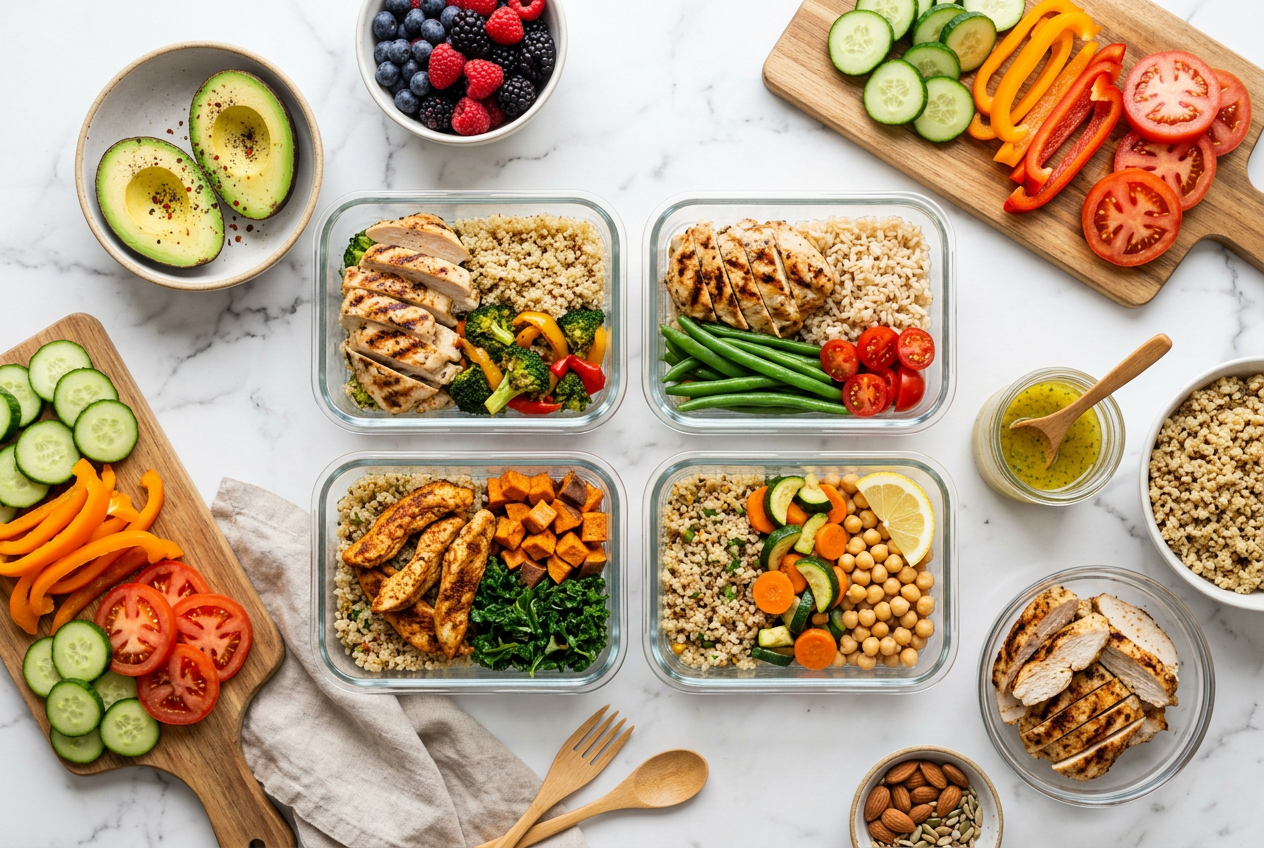
Meal planning removes the guesswork from healthy eating. When you have nutritious meals ready to go, you're far less likely to reach for fast food or processed snacks. Dedicate a few hours each week to planning your menu, shopping for ingredients, and prepping meals in advance.
9. Track Your Progress
What gets measured gets managed. Keeping a food diary or using a tracking app can increase your awareness of eating habits and help you identify areas for improvement. People who track their food intake consistently lose significantly more weight than those who don't. Our Daily Tracker tool makes this easy.
10. Build a Support System
Weight loss is easier when you have accountability and encouragement. Whether it's a workout buddy, an online community, or a health professional, having support can make a significant difference. Share your goals with people who will encourage and motivate you along the way.
"The best diet is the one you can stick to long-term. Focus on small, sustainable changes rather than drastic overhauls."
The Bottom Line
Sustainable weight loss isn't about perfection -- it's about progress. By implementing these strategies gradually, you can create a healthier relationship with food and your body. Remember, the goal isn't just to lose weight, but to build habits that support your health for a lifetime. Use our BMI Calculator and Ideal Weight Calculator to set realistic goals, and start tracking your journey today.