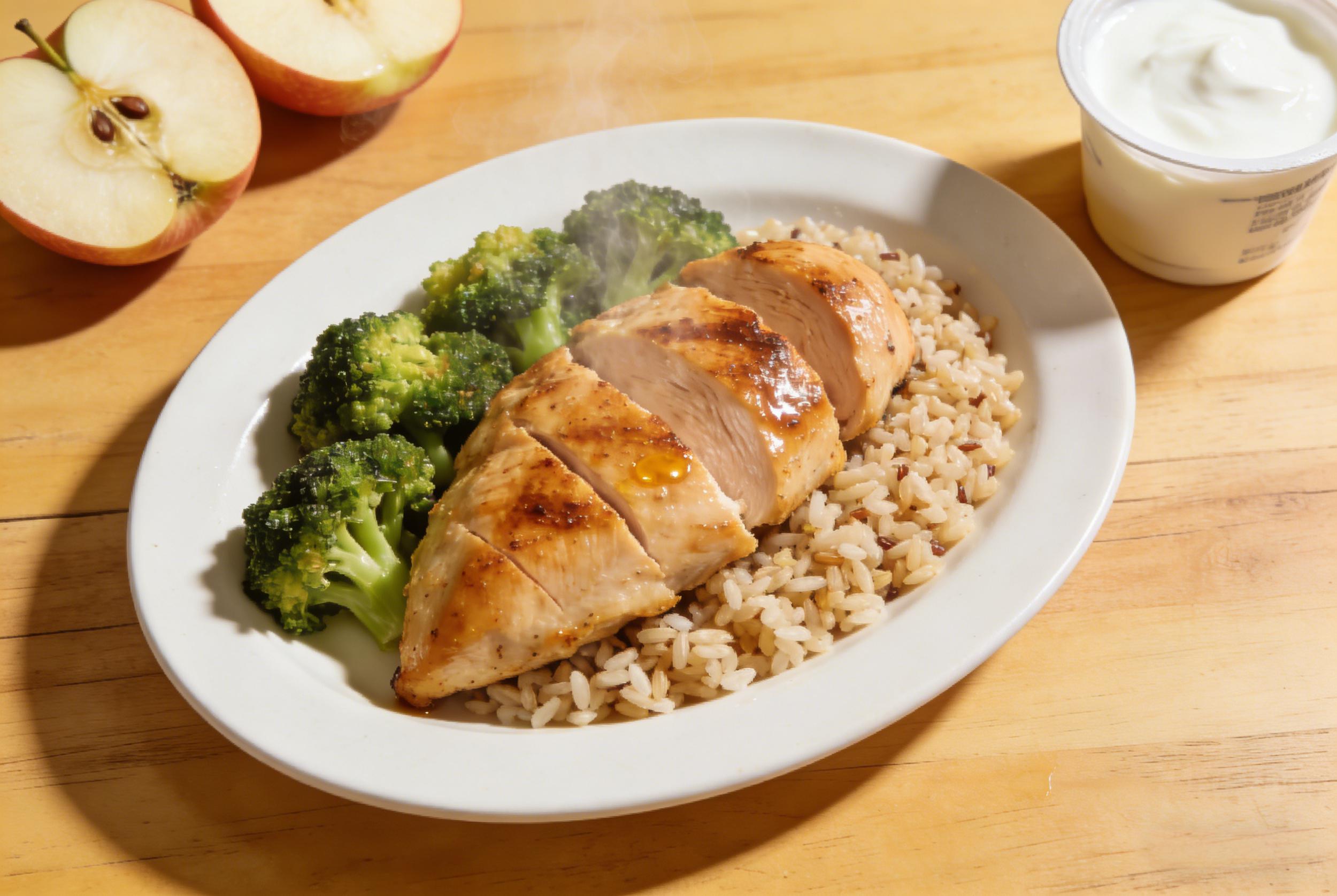
It's a question that plagues many people looking to lose weight: can you shed pounds effectively without stepping foot in a gym? The short answer is yes, you can lose weight through diet alone. But the longer, more nuanced answer reveals why this approach often falls short of creating lasting health and an ideal body composition.
The Basics: Calories In vs. Calories Out
At its core, weight loss is simple arithmetic: if you consume fewer calories than you burn, you will lose weight. This is true regardless of whether those calories are burned through exercise or your body's resting metabolic processes. So from a purely numerical standpoint, diet-only weight loss is indeed possible.
Research from the University of Alabama at Birmingham confirms this. In a study comparing diet-only versus exercise-only weight loss approaches, participants in the diet-only group lost significantly more weight over a 6-month period than those who only exercised. The key takeaway: diet is the primary driver of weight loss, while exercise plays a more supporting role.
However, this simplistic view fails to capture the full picture of what happens to your body when you lose weight through diet alone.
The Hidden Problem: Body Composition
When you lose weight through diet alone, a significant portion of the weight loss often comes from muscle mass, not just fat. This is a critical distinction that many people overlook. While the number on the scale might decrease, your body composition— the ratio of fat to lean muscle— can actually worsen.
Studies show that when people lose weight through calorie restriction without exercise, they typically lose 25-30% of their weight as muscle. In contrast, those who combine diet and exercise lose only 10-15% muscle mass, preserving more lean tissue while burning fat.
This matters because muscle is metabolically active tissue. It burns calories at rest, supports overall strength and mobility, and gives your body a more toned, defined appearance. Losing muscle mass means:
- Higher body fat percentage: Even at a "normal" weight, you may still carry too much body fat
- Reduced metabolic rate: Your body burns fewer calories at rest
- Softer, less defined appearance: Often referred to as the "skinny fat" look
- Weaker physical function: Decreased strength and endurance
Health Implications of Diet-Only Weight Loss
While losing weight through diet alone is technically possible, it comes with several potential health drawbacks:
1. Metabolic Slowdown
When you dramatically reduce calorie intake, your body enters a state of adaptive thermogenesis. This is a survival mechanism where your metabolism slows down to conserve energy. Research from the University of Pennsylvania found that after significant weight loss, metabolic rate can remain suppressed by 10-15% for up to 6 years, making weight maintenance much harder.
This metabolic slowdown is more pronounced when weight loss occurs through diet alone. Exercise helps preserve muscle mass, which keeps your metabolism running more efficiently even at a lower body weight.
2. Nutritional Deficiencies
Extreme calorie restriction often means cutting out entire food groups or severely limiting food intake, which can lead to nutritional deficiencies. Common deficiencies include:
- Protein: Essential for muscle preservation, immune function, and satiety
- Iron: Needed for energy production and oxygen transport
- Calcium: Important for bone health
- Vitamin D: Supports immune function and mood
- Magnesium: Regulates hundreds of biochemical reactions in the body
These deficiencies can manifest as fatigue, weakness, hair loss, poor immune function, and even depression— all of which diminish quality of life.
3. Reduced Energy Levels
Calories are your body's primary source of energy. When you severely restrict calories, your energy levels plummet. This can impact your ability to perform daily activities, concentrate at work or school, and enjoy social interactions. Many people on diet-only plans report feeling lethargic, irritable, and mentally foggy.
4. Increased Risk of Weight Regain
Perhaps the most significant drawback of diet-only weight loss is its poor long-term success rate. Studies show that 80-90% of people who lose weight through diet alone regain the lost weight within 1-5 years. This "yo-yo dieting" cycle is not only frustrating but also potentially harmful to metabolic health.
The reasons for this high relapse rate include:
- Metabolic adaptation: A slowed metabolism makes maintenance calories lower than expected
- Muscle loss: Less muscle means fewer calories burned at rest
- Psychological burnout: Restrictive diets are difficult to maintain long-term
- Reduced satiety signals: Severe calorie restriction can disrupt hunger hormones
When Diet-Only Weight Loss Makes Sense
Despite its drawbacks, there are situations where diet-only weight loss is a reasonable approach:
- Medical restrictions: When physical activity is contraindicated due to injury, illness, or disability
- Extreme obesity: For individuals with a BMI over 40, dietary changes alone can produce significant health improvements before exercise becomes feasible
- Short-term goals: For very specific, short-term weight loss needs (e.g., medical procedures)
- Transition phase: As a first step toward a more comprehensive lifestyle change
In these cases, diet-only weight loss is still preferable to no weight loss at all. Even modest weight reduction through diet alone can improve blood pressure, blood sugar levels, and cholesterol profiles.
Guidelines for Safe Diet-Only Weight Loss
If you must lose weight through diet alone due to circumstances beyond your control, follow these guidelines to minimize the negative impacts:
1. Aim for Mild Calorie Deficits
Instead of extreme restriction, aim for a moderate calorie deficit of 300-500 calories per day. This allows for steady weight loss (0.5-1 pound per week) while preserving more muscle mass and reducing the risk of nutritional deficiencies.
2. Prioritize Protein Intake
Protein is crucial for preserving muscle mass during weight loss. Aim for 0.8-1 gram of protein per pound of body weight daily. Good sources include lean meats, fish, eggs, Greek yogurt, legumes, and tofu.
3. Focus on Nutrient-Dense Foods
Choose foods that provide the most nutrition per calorie. Prioritize vegetables, fruits, whole grains, lean proteins, and healthy fats. These foods will help you feel full while providing essential vitamins and minerals.
4. Stay Hydrated
Drinking adequate water helps control hunger, supports metabolism, and prevents dehydration— which is often mistaken for hunger.
5. Get Adequate Sleep
Poor sleep disrupts hunger hormones (ghrelin and leptin), making it harder to stick to your diet. Aim for 7-9 hours of quality sleep each night.
6. Consider Protein Sparing Modified Fasts (PSMF)
For very controlled diet-only weight loss, a PSMF approach— which prioritizes high protein intake while restricting calories— can help preserve muscle mass. However, this should be done under medical supervision.
The Optimal Approach: Diet + Exercise
While diet-only weight loss is possible, the science clearly shows that combining diet and exercise is the superior approach for several reasons:
- Preserves muscle mass: Resistance training specifically helps maintain and build lean muscle
- Boosts metabolism: More muscle means a higher resting metabolic rate
- Improves body composition: Reduces body fat while preserving or increasing muscle
- Enhances weight loss sustainability: People who exercise regularly are far more likely to keep weight off long-term
- Improves overall health: Exercise reduces the risk of chronic diseases, improves mood, and boosts energy levels
- Creates a more aesthetically pleasing physique: Combines fat loss with muscle definition
Research from the Journal of Applied Physiology found that participants who combined diet and exercise lost 21% more fat and preserved 33% more muscle compared to those who dieted alone.
Practical Exercise Recommendations
If you're able to incorporate exercise, even in small ways, it will significantly enhance your weight loss efforts. Start with activities you enjoy and can sustain:
- Daily movement: Walking, gardening, household chores, or taking the stairs
- Low-impact options: Swimming, cycling, or yoga if joint issues are a concern
- Strength training: Bodyweight exercises, resistance bands, or light weights 2-3 times per week
- HIIT workouts: Short, intense exercise sessions a few times per week for efficient fat burning
Remember that any movement is better than none. Even 15-20 minutes of daily activity can make a significant difference in your weight loss journey and overall health.
Realistic Expectations for Body Composition
It's important to set realistic expectations about what diet-only weight loss can achieve. While you can reach a healthy weight range through diet alone, you're unlikely to achieve the toned, defined physique that most people desire without exercise. This is because:
- Muscle definition requires muscle mass
- Subcutaneous fat reduction is enhanced by exercise
- Exercise improves posture and muscle tone
- Regular activity helps maintain weight loss long-term
Think of diet as the primary tool for weight loss, and exercise as the tool for body recomposition and long-term maintenance.
"Weight loss through diet alone is like building a house with just bricks— you can create a structure, but it won't be as strong, functional, or aesthetically pleasing as one built with a full set of tools."
The Bottom Line
Yes, you can lose weight through diet alone. For some people, this may be the only option due to physical limitations or other constraints. And while it's certainly better than no weight loss at all, it's not the optimal approach for long-term health, body composition, or weight maintenance.
If you can incorporate even small amounts of physical activity into your routine, you'll see far better results— both in terms of how you look and how you feel. The ideal approach combines a balanced, nutrient-dense diet with regular exercise to create sustainable weight loss and a healthier, more vibrant body.
Use our Body Fat Calculator to track changes in your body composition, not just your weight. And use our Daily Tracker to monitor both your dietary intake and your physical activity levels— the combination of these two factors is what truly leads to lasting success.