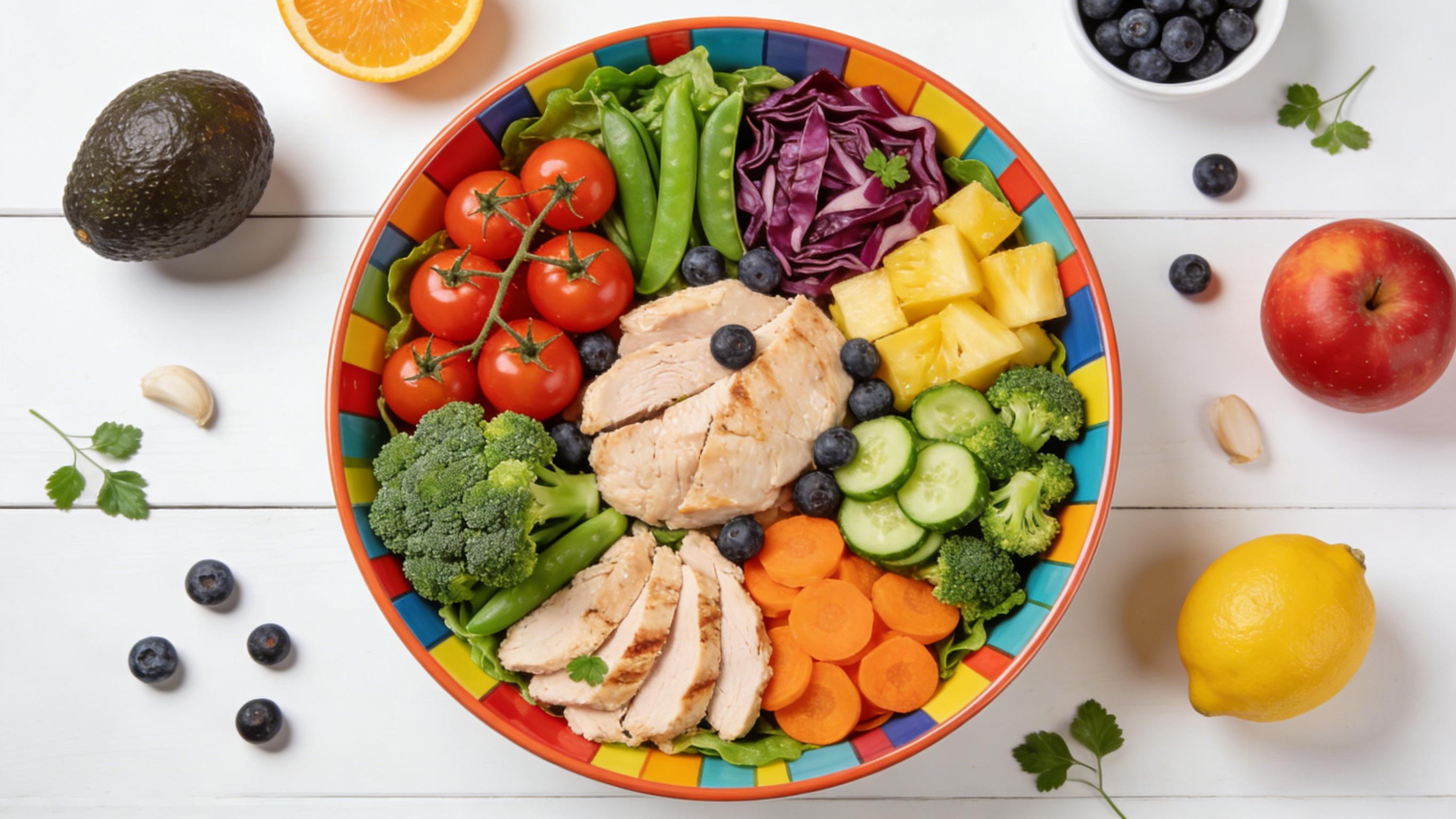
A common misconception about weight loss is that you must starve yourself to see results. The truth? You absolutely can eat when you're hungry—and you should. In fact, choosing the right foods when hungry can actually support your metabolism and make weight loss easier.
Why Starving Backfires
Severe calorie restriction and going hungry might seem like a fast track to weight loss, but it often creates serious problems:
Metabolic Slowdown: When you don't eat enough, your body adapts by slowing down your metabolism to conserve energy. This makes it harder to lose weight and easier to gain it back.
Muscle Loss: Without adequate protein and calories, your body breaks down muscle tissue for energy. Muscle loss further reduces your metabolic rate, creating a vicious cycle.
Increased Hunger: Extreme hunger triggers intense cravings and often leads to binge eating on unhealthy foods. You're more likely to make impulsive choices when you're starving.
Reduced Energy: Going hungry leaves you with low energy, making it difficult to exercise or stay active—both crucial for sustainable weight loss.
The Power of Nutritious Foods
The key to successful weight loss isn't avoiding food—it's choosing the right foods. Nutritious, whole foods can actually help you lose weight more effectively:
Vegetables: Your Weight Loss Allies
Vegetables are perhaps the most valuable food for weight loss. They're low in calories, high in volume, and packed with nutrients:
- Low Calorie Density: You can eat large portions of vegetables for very few calories, helping you feel full without overconsuming calories
- High Fiber Content: Fiber slows digestion and helps regulate blood sugar, keeping you satisfied longer
- Volume and Satiety: The physical act of chewing and the volume of vegetables naturally signals fullness to your brain
- Nutrient Rich: Vegetables provide vitamins, minerals, and antioxidants that support overall health and metabolism
Fruits: Nature's Sweet Treats
Whole fruits are excellent for weight loss when eaten in moderation:
- Natural Sugars: The fiber in fruit slows sugar absorption, preventing blood sugar spikes that can lead to fat storage
- Volume Eating: Like vegetables, fruits provide volume that helps you feel satisfied
- Hydration: Many fruits have high water content, supporting hydration and metabolism
- Antioxidants: Fruits contain compounds that reduce inflammation and support metabolic health
Protein: The Metabolism Booster
Adequate protein is essential for weight loss:
- Muscle Preservation: Protein helps maintain muscle mass during calorie deficits, keeping your metabolism high
- Thermic Effect: Your body burns more calories digesting protein than fats or carbs
- Satiety: Protein is the most filling macronutrient, keeping hunger at bay longer
- Good Sources: Lean meats, fish, eggs, Greek yogurt, legumes, and tofu are excellent choices
Whole Grains: Sustained Energy
Complex carbohydrates from whole grains provide steady energy without the blood sugar spikes of refined carbs:
- Brown Rice: More fiber and nutrients than white rice
- Quinoa: Complete protein and high fiber content
- Oats: Beta-glucan fiber helps regulate blood sugar and cholesterol
- Whole Wheat: B vitamins and fiber for sustained energy
Healthy Foods Don't Cause Obesity
There's a crucial distinction: healthy foods don't make you fat. The obesity epidemic is driven by processed foods, not by whole, natural foods. Here's why:
Natural Satiety: Whole foods like vegetables, fruits, and whole grains naturally regulate appetite through fiber and volume. Processed foods are engineered to bypass these signals.
Metabolic Support: Nutrient-dense foods support healthy metabolism. Processed foods often contain ingredients that can disrupt metabolic function.
No Addiction Triggers: Whole foods don't contain addictive combinations of sugar, salt, and fat found in processed foods that drive overeating.
Foods to Avoid During Weight Loss
While you should eat when hungry, what you eat matters significantly. These foods can sabotage your weight loss efforts:
Fried Foods: Fried chicken, fried fish, and other fried foods are calorie-dense and often contain unhealthy fats. The frying process adds hundreds of calories without nutritional benefit.
Fast Food Burgers: Fast food burgers combine multiple problems: high calories, unhealthy fats, refined carbs, excessive sodium, and additives. They're designed to be hyper-palatable and encourage overeating.
Sugary Drinks: Regular soda, sweetened coffees, energy drinks, and fruit juices provide empty calories without satiety. A single soda can contain 150+ calories of pure sugar.
Processed Snacks: Chips, cookies, candy, and other processed snacks are calorie-dense and low in nutrients. They're easy to overeat and provide little satisfaction.
How to Eat for Weight Loss
The strategy isn't starving yourself—it's eating strategically:
When Hungry: Choose nutrient-dense foods that fill you up and support your metabolism. Vegetables, lean protein, whole fruits, and whole grains should form the foundation of your meals.
Portion Awareness: Eat until you're satisfied, not stuffed. It takes about 20 minutes for your brain to register fullness. Start with smaller portions—you can always have more if truly hungry.
Meal Timing: Listen to your body's natural hunger signals rather than following rigid schedules. If you're not hungry, you don't need to eat. If you are hungry, eat a balanced meal.
Hydration: Drink water throughout the day. Sometimes thirst masquerades as hunger. Staying hydrated supports metabolism and helps control appetite.
Building Sustainable Habits
Long-term weight management comes from habits you can maintain:
- Plan Your Meals: Having healthy options ready prevents impulsive choices on processed foods
- Prepare at Home: Cooking allows you to control ingredients and portions
- Keep Healthy Snacks Available: Pre-cut vegetables, nuts, or Greek yogurt are better than vending machine options
- Practice Mindful Eating: Pay attention to what and how you eat, enjoying your food without distractions
The Bottom Line
Weight loss doesn't require starving yourself. In fact, eating when you're hungry with the right food choices supports your metabolism, preserves muscle, and makes sustainable weight loss possible.
Focus on vegetables, fruits, lean proteins, and whole grains. These foods provide volume, nutrients, and satiety without the calorie density and metabolic disruption of processed foods.
Avoid fried foods, fast food burgers, sugary drinks, and processed snacks. These foods are engineered to make you overeat and provide little nutritional value.
"The best weight loss strategy is one where you never feel deprived, consistently nourish your body with foods that support your goals."
Use our Daily Tracker to monitor your eating patterns and hunger levels. Track what you eat, when you feel hungry, and how different foods affect your energy and progress. This awareness can help you make better choices and develop sustainable habits.