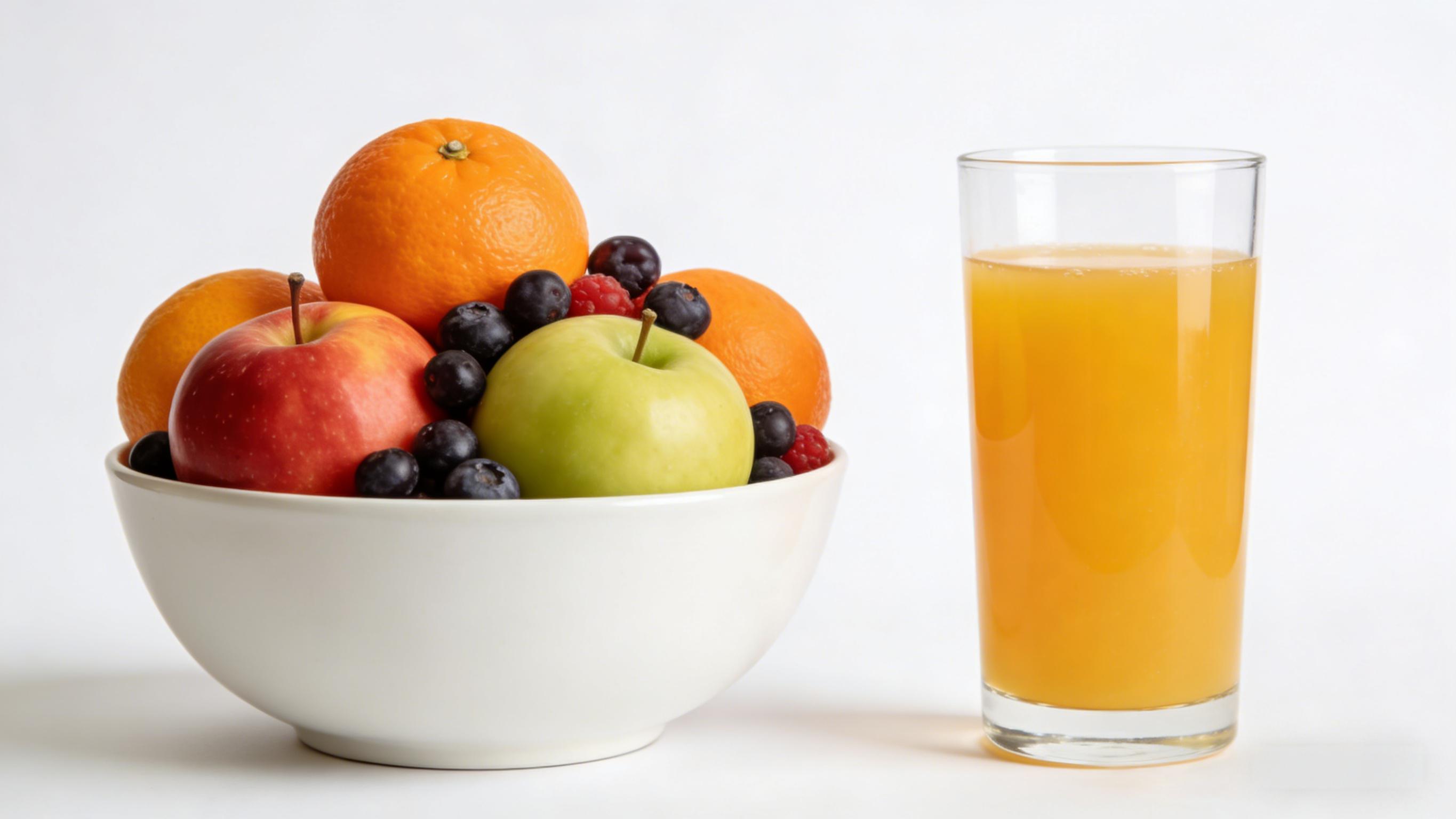
Fruit is undeniably healthy, but what happens when we turn it into juice? Many people assume fruit juice is a nutritious beverage choice, but the reality is more complicated. Understanding the nutritional changes that occur during juicing can help you make better beverage decisions.
Nutritional Loss During Juicing
The process of extracting juice from fruit removes one of its most valuable components: fiber. Here's what gets lost:
Fiber Removal: When you juice fruit, you remove virtually all the fiber. Fiber is crucial for digestive health, blood sugar regulation, and satiety. It slows down sugar absorption, preventing rapid blood sugar spikes. Without fiber, the natural sugars in fruit enter your bloodstream much faster.
Other Nutrient Loss: The juicing process can also reduce other nutrients. Some vitamins and antioxidants are bound to fiber structures and get discarded with the pulp. Additionally, exposure to air during juicing can oxidize and degrade certain nutrients, particularly vitamin C.
What Remains: You're left with concentrated sugars, some vitamins, minerals, and phytochemicals—but without the fiber that makes whole fruit so beneficial for weight management and overall health.
The Sugar Concentration Problem
Perhaps the biggest issue with fruit juice is the concentration of sugar. Here's why juice contains far more sugar than whole fruit:
Volume Difference: It takes multiple pieces of fruit to make one glass of juice. You might eat one orange and feel satisfied, but that same orange might produce only half a cup of juice. To get a full glass, you'd need 3-4 oranges—concentrating all that sugar into one serving.
Calorie Density: Because juice lacks fiber and volume, it's much easier to consume large amounts quickly. A 12-ounce glass of orange juice contains about 160 calories and 33 grams of sugar—equivalent to eating 3-4 whole oranges. Most people wouldn't eat 4 oranges in one sitting, but they might easily drink that much juice.
Missing Satiety: Whole fruit's fiber and chewing action send signals to your brain that you've eaten. Juice bypasses these mechanisms. You can consume hundreds of calories from juice without feeling full, leading to overconsumption.
Why Juice Isn't Ideal for Weight Loss
For weight management, whole fruit is almost always superior to juice for several reasons:
Better Blood Sugar Control: The fiber in whole fruit slows sugar absorption, preventing insulin spikes that can lead to fat storage. Juice causes rapid blood sugar elevation, which can increase hunger and fat production.
More Satiety: Whole fruit keeps you full longer due to fiber content and the physical act of chewing. This natural portion control helps prevent overeating.
Lower Calorie Intake: Because whole fruit is more filling, you're likely to consume fewer calories naturally. The effort of chewing and the volume of whole fruit creates natural portion limits.
Not All Juices Are Equal
It's worth noting that different types of juices vary significantly in their health impact:
100% Fruit Juice: Pure fruit juice without added sugar retains more vitamins and antioxidants than fruit drinks or cocktails. However, it still lacks fiber and has concentrated sugars.
Green Vegetable Juices: Juices made primarily from vegetables (kale, spinach, celery, cucumber) are lower in sugar and calories than fruit juices. They can be a better option if you enjoy juicing, though they still lack fiber.
Smoothies: Blending whole fruits into smoothies preserves the fiber, making them superior to juiced fruit for satiety and blood sugar control. However, be mindful of portion sizes, as it's still easy to consume large amounts quickly.
Commercial Fruit Drinks: Many bottled fruit drinks contain added sugars and minimal actual fruit juice. These are essentially sugar water with fruit flavoring and should be avoided entirely.
Better Beverage Alternatives
If you're looking for healthy beverage options, consider these alternatives to fruit juice:
- Water: The ideal choice—zero calories, essential for hydration and metabolism
- Whole Fruit: Eat the fruit instead of drinking it. You'll get all the nutrients, fiber, and natural portion control
- Infused Water: Add slices of lemon, cucumber, berries, or mint to water for flavor without the sugar spike
- Unsweetened Tea: Green tea, herbal tea, or black tea provide antioxidants without concentrated sugars
- Vegetable Juice: If you enjoy juicing, focus on low-sugar vegetables rather than high-sugar fruits
When Juice Might Be Appropriate
Despite these concerns, there are situations where moderate juice consumption might fit into a healthy diet:
- Post-Workout Recovery: Small amounts of juice can help replenish glycogen stores after intense exercise
- Occasional Treat: A small glass of 100% juice occasionally as part of an overall balanced diet
- Vegetable-Based Juices: Green juices with minimal fruit content for added nutrients without excessive sugar
Key Principle: If you choose to drink juice, treat it as you would any other sugary beverage—something to enjoy occasionally in moderation, not as a daily health drink to consume freely.
The Bottom Line
While fruit itself is incredibly healthy, fruit juice is a different story. The juicing process removes beneficial fiber and concentrates natural sugars, making juice more similar to soda than whole fruit in its metabolic impact.
For weight loss and overall health, whole fruit is almost always the better choice. You get complete nutrition, natural portion control, better blood sugar regulation, and greater satiety. If you enjoy juice, opt for vegetable-based varieties or smoothies that preserve fiber, and always consume in moderation.
"The closer a food is to its natural state, the better it usually is for your health and weight management."
Use our Daily Tracker to monitor your beverage choices and their impact on your weight loss journey. Being aware of what you drink is just as important as what you eat.