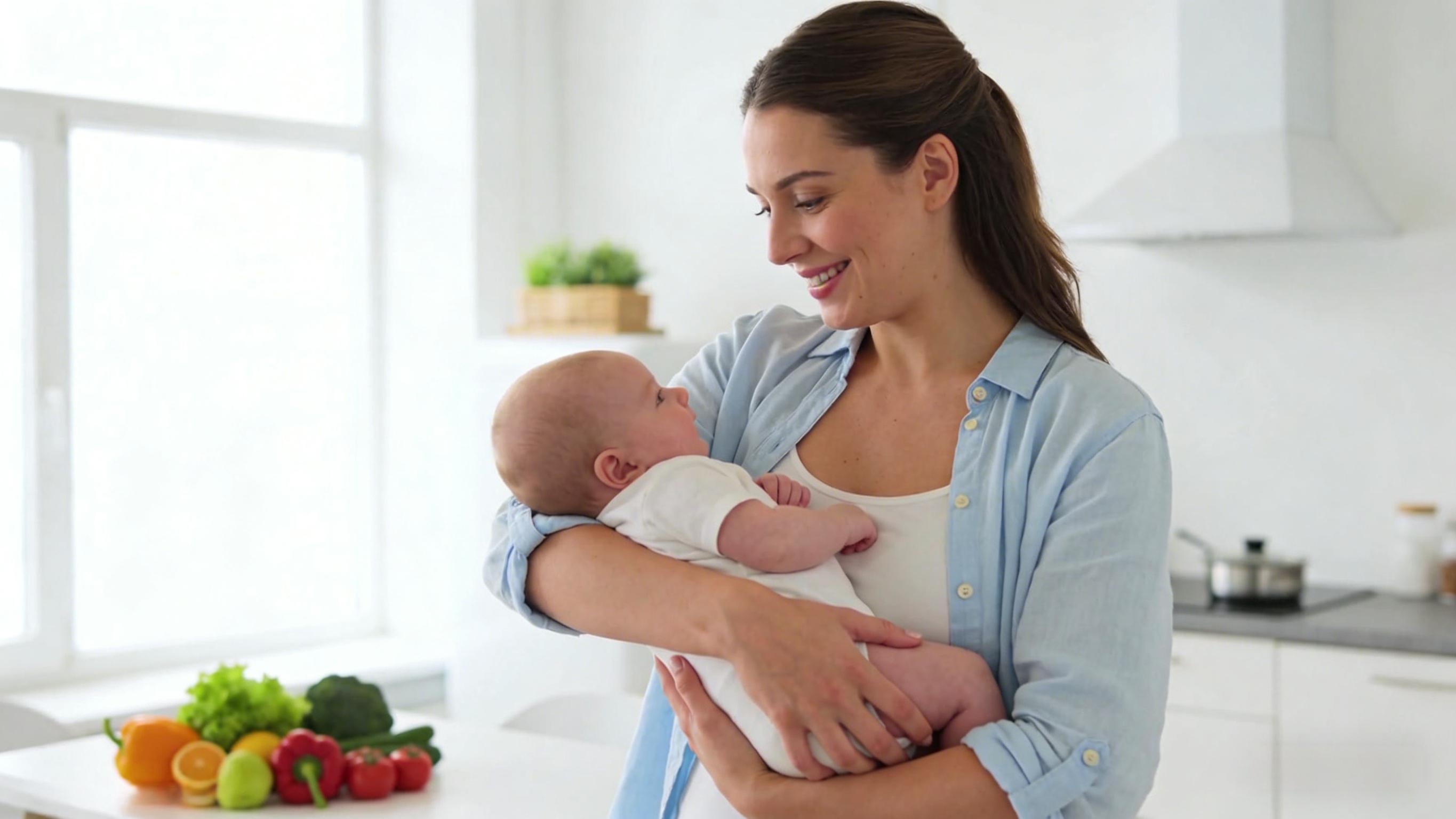
After giving birth, many new mothers are eager to return to their pre-pregnancy weight. While this is completely understandable, it's crucial to approach postpartum weight loss with patience and care. Your body has just undergone an incredible transformation, and rushing the process can compromise both your recovery and your ability to care for your newborn. Here's a comprehensive guide to losing weight safely after pregnancy.
Understanding Postpartum Weight Loss Timeline
The first thing to know is that weight loss after pregnancy is not a race. Immediately after delivery, you'll likely lose about 10-13 pounds from the baby, placenta, and amniotic fluid. Over the next few weeks, you'll continue to lose water weight. However, the remaining weight took 9 months to accumulate, and it's reasonable to expect it to take 6-12 months to lose it safely.
Most healthcare providers recommend waiting until your 6-week postpartum checkup before actively trying to lose weight. This gives your body time to heal, especially if you had a C-section or experienced complications. If you're breastfeeding, your body naturally burns an extra 300-500 calories daily, which can help with weight loss.
Prioritize Nutrition Over Restriction
Postpartum weight loss should never involve extreme calorie restriction. Your body needs adequate nutrition to recover from childbirth, produce breast milk (if applicable), and manage the physical demands of caring for a newborn. Instead of cutting calories dramatically, focus on nutrient-dense foods that provide sustained energy.
Best Foods for Postpartum Weight Loss
- Lean proteins: Chicken, fish, eggs, and legumes support muscle repair and keep you feeling full.
- Complex carbohydrates: Oats, quinoa, and brown rice provide steady energy without blood sugar spikes.
- Healthy fats: Avocados, nuts, and olive oil support hormone production and brain health.
- Iron-rich foods: Spinach, red meat, and fortified cereals help replenish iron stores depleted during pregnancy.
- Calcium-rich foods: Dairy, leafy greens, and fortified plant milks support bone health.
Hydration is Essential
Staying hydrated is crucial for postpartum recovery and weight loss. Water helps with milk production (if breastfeeding), flushes out toxins, and can help control hunger. Aim for at least 8-10 glasses of water daily, plus more if you're breastfeeding. Keep a water bottle nearby at all times, especially during nighttime feedings.
Gentle Exercise: When and How to Start
Exercise after pregnancy should be gradual and gentle. If you had an uncomplicated vaginal delivery, you may be able to start with light walking as soon as you feel up to it. For C-section deliveries, wait until your doctor clears you, typically at 6-8 weeks postpartum.
Postpartum Exercise Progression
- Weeks 0-6: Focus on rest and recovery. Gentle walking and pelvic floor exercises (Kegels) are usually safe.
- Weeks 6-12: Begin with low-impact activities like walking, swimming, or postpartum yoga. Avoid high-impact exercises and heavy lifting.
- Weeks 12-16: Gradually incorporate strength training, focusing on core and pelvic floor muscles. Consider working with a postpartum fitness specialist.
- Month 4 and beyond: With your doctor's approval, you can return to your pre-pregnancy exercise routine, listening to your body and adjusting as needed.
Sleep and Weight Loss Connection
It's no secret that new parents are sleep-deprived, but lack of sleep can significantly hinder weight loss efforts. Sleep deprivation increases cortisol levels, which can lead to fat storage, particularly around the midsection. It also increases ghrelin (hunger hormone) and decreases leptin (satiety hormone), making you more likely to overeat.
While you can't control your baby's sleep schedule, try to sleep when your baby sleeps. Accept help from family and friends who can watch the baby while you nap. Even short 20-minute naps can help regulate hormones and support weight loss.
Managing Stress and Emotional Eating
The postpartum period is emotionally demanding, and stress eating is common. Practice stress management techniques like deep breathing, meditation, or gentle stretching. If you find yourself turning to food for comfort, pause and ask yourself if you're truly hungry or if you're seeking comfort. Both needs are valid, but they require different responses.
Special Considerations for Breastfeeding Mothers
If you're breastfeeding, your body naturally burns extra calories, but this doesn't mean you should eat whatever you want. Focus on balanced meals that provide the nutrients both you and your baby need. Avoid rapid weight loss, as it can reduce milk supply and release stored toxins into breast milk. Aim for a gradual loss of 1-1.5 pounds per week.
When to Seek Professional Help
If you're struggling to lose weight despite healthy habits, or if you're experiencing symptoms of postpartum depression, don't hesitate to seek help. A registered dietitian can provide personalized nutrition guidance, while a therapist can help with emotional challenges. Your healthcare provider can also rule out any underlying medical conditions that might be affecting your weight loss.
"Remember, your body just created and delivered a human being. Be patient with yourself and celebrate what your body has accomplished rather than focusing solely on the number on the scale."
Tracking Your Progress
Use our Daily Tracker to monitor your nutrition, hydration, and activity levels. Tracking can help you identify patterns and stay motivated without becoming obsessive. Remember that the scale is just one measure of progress -- how you feel, your energy levels, and how your clothes fit are equally important indicators.
The Bottom Line
Postpartum weight loss is a journey that requires patience, self-compassion, and a focus on health rather than appearance. By nourishing your body with nutrient-dense foods, staying hydrated, gradually increasing physical activity, and prioritizing rest, you can achieve sustainable weight loss while supporting your recovery and your ability to care for your baby. Use our BMI Calculator and Ideal Weight Calculator to set realistic goals, but remember that your postpartum body is different from your pre-pregnancy body -- and that's okay.